


STI Test Complete
FREE SHIPPING
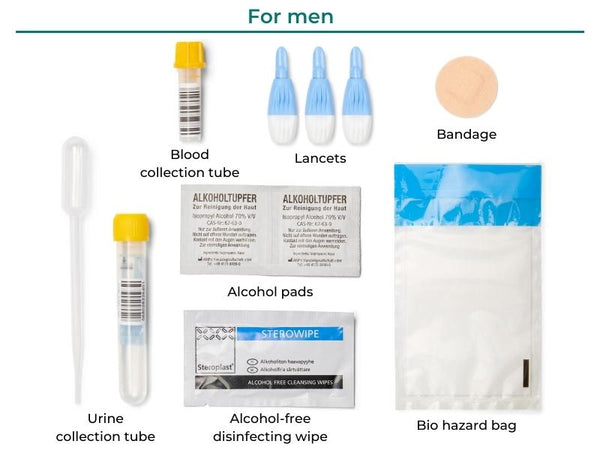
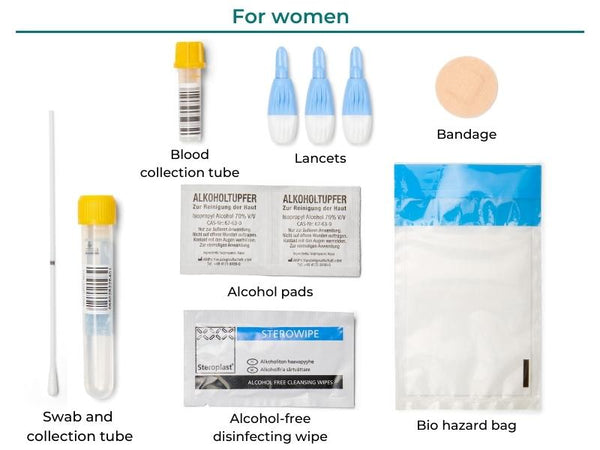
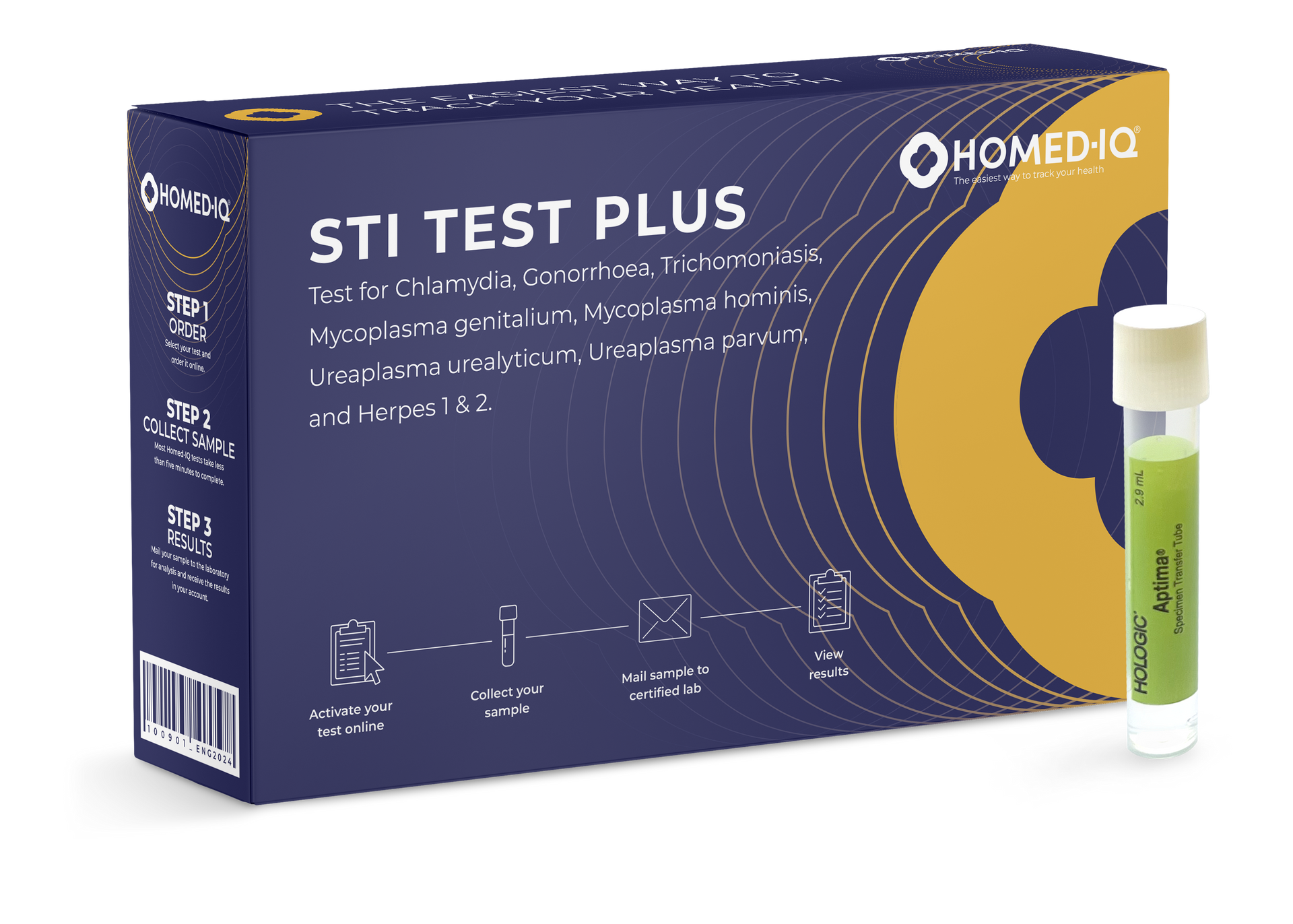
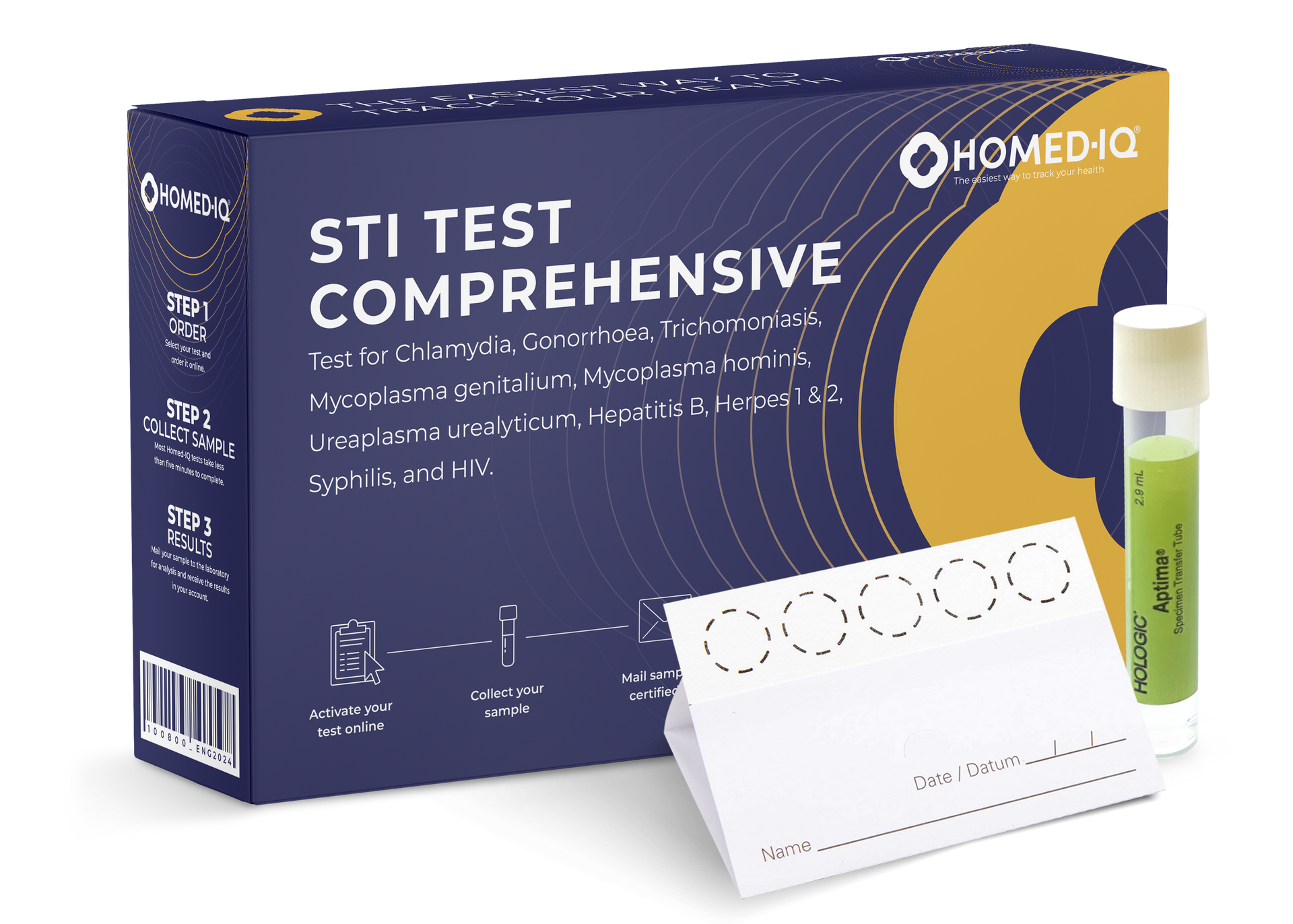
Get a complete picture of your sexual health using Homed-IQ’s STI Test Complete. This test checks for six bacterial and viral STIs and can be completed at home in minutes. Unlike STI tests performed at a clinic, this test only requires a small blood sample from a finger prick, along with a vaginal swab or urine sample.
Test mode:
A finger-prick dried blood spot test, along with a urine sample for men or a vaginal swab for women.
Window Period:
The window period is the time between when you were infected with an STI and when it is detectable with a test. See the ‘About this test’ section or the blog ‘When can you be tested for STIs?‘ for more information about when you can reliably test for each STI.

- €99,00 - Men
- €99,00 - Women
FAQs
What should I do after a negative result?
What if my result is unclear or inconclusive?
Can I test without symptoms?
How can I avoid getting an STI?
Who is this home STI test not suitable for?
When is this test particularly suitable?
How often should I be tested for STIs?
Is this test really anonymous?
How accurate is this STI test?
I would like to test the throat or anal area for STIs. How can I do that?
What are the advantages of this test?
Has this STI test been reviewed by doctors?
Will my health insurer reimburse this test?
Is this STI home test an alternative to a doctor's examination?
Why should I choose a laboratory STI test and not a rapid test?
How do I get treatment if I test positive?
Why do I need to activate my test kit?
Why choose a home STI test?
What is the difference between incubation period and window period?
Can I test for an STI before symptoms appear?
I have tested positive for an STI. How do I warn my partner?
What happens to my data and samples?
How does it work?
-
![Woman in professional cozy kitchen with Homed-IQ test kit]() 1
1Order your test
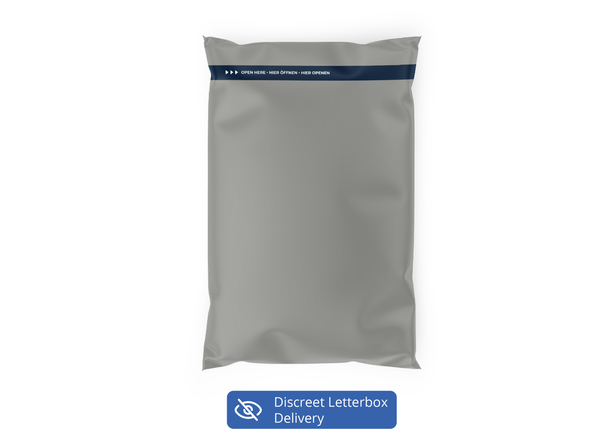
Fast and discrete letterbox delivery
-
![]() 2
2Activate & take your sample
Video instructions included
-
![]() 3
3Laboratory analysis
ISO - Certified lab network
-
![]() 4
4Receive your results
Easy access through mobile


Rated Excellent on Trustpilot
Related Products
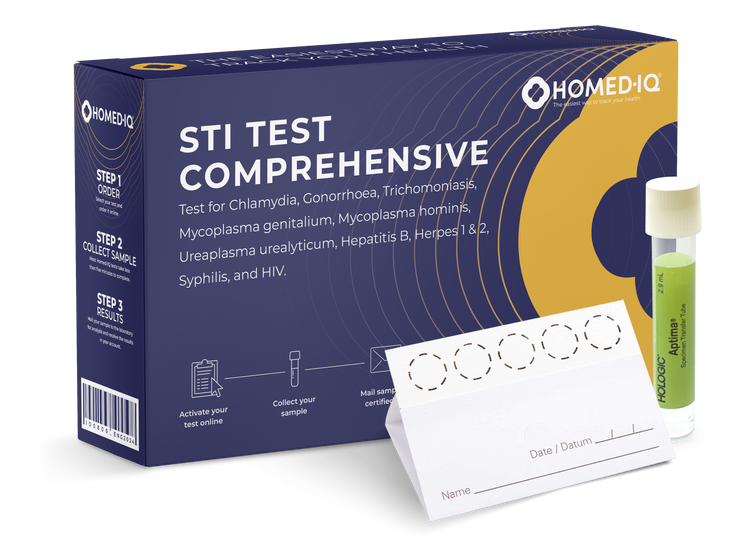
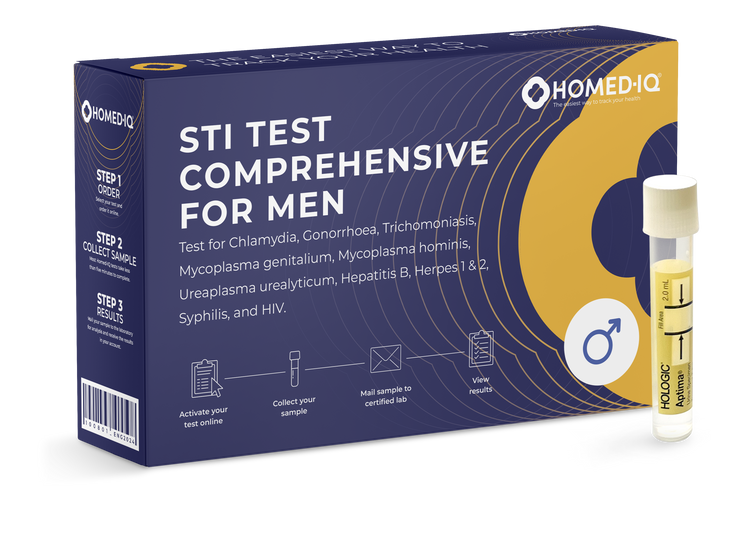
Get the most comprehensive overview of your sexual health yet. This test checks for 11...
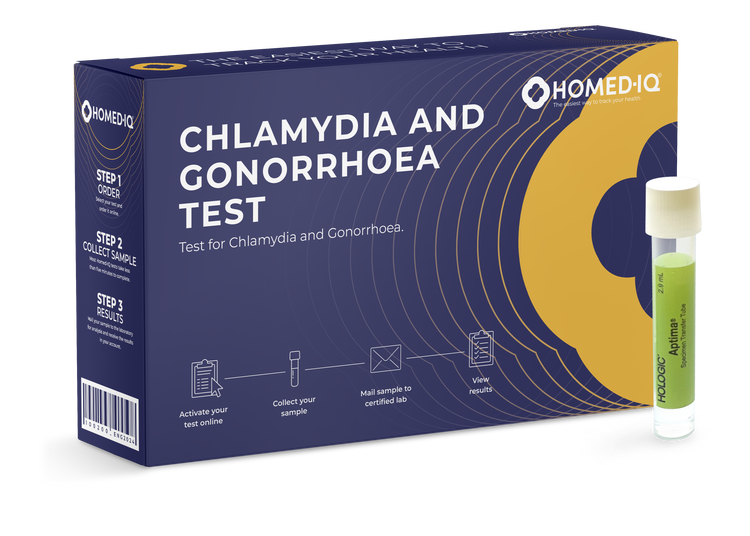
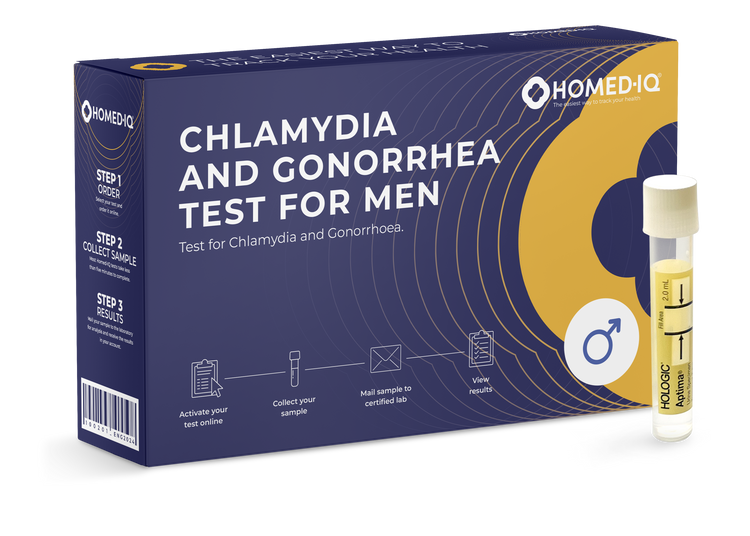
Chlamydia and gonorrhoea are two of the most common STIs, but often have no symptoms....
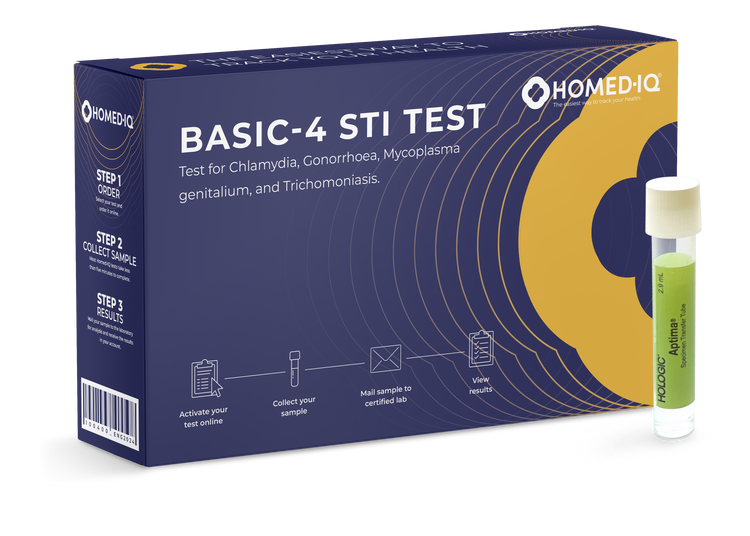
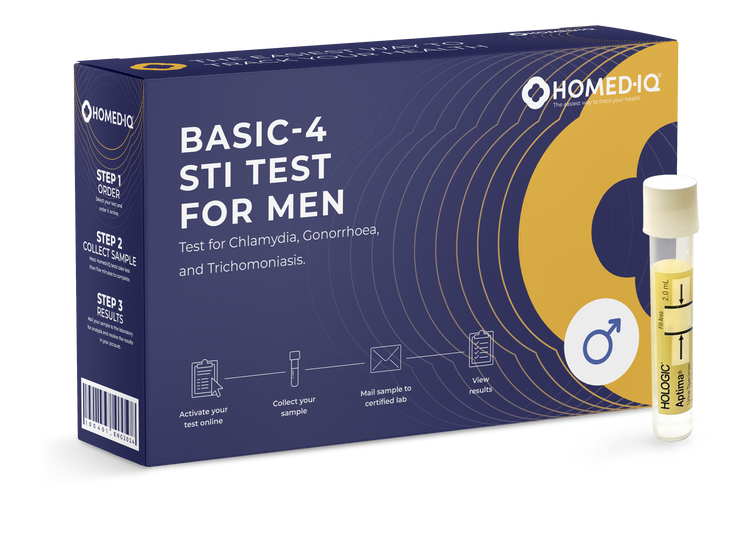
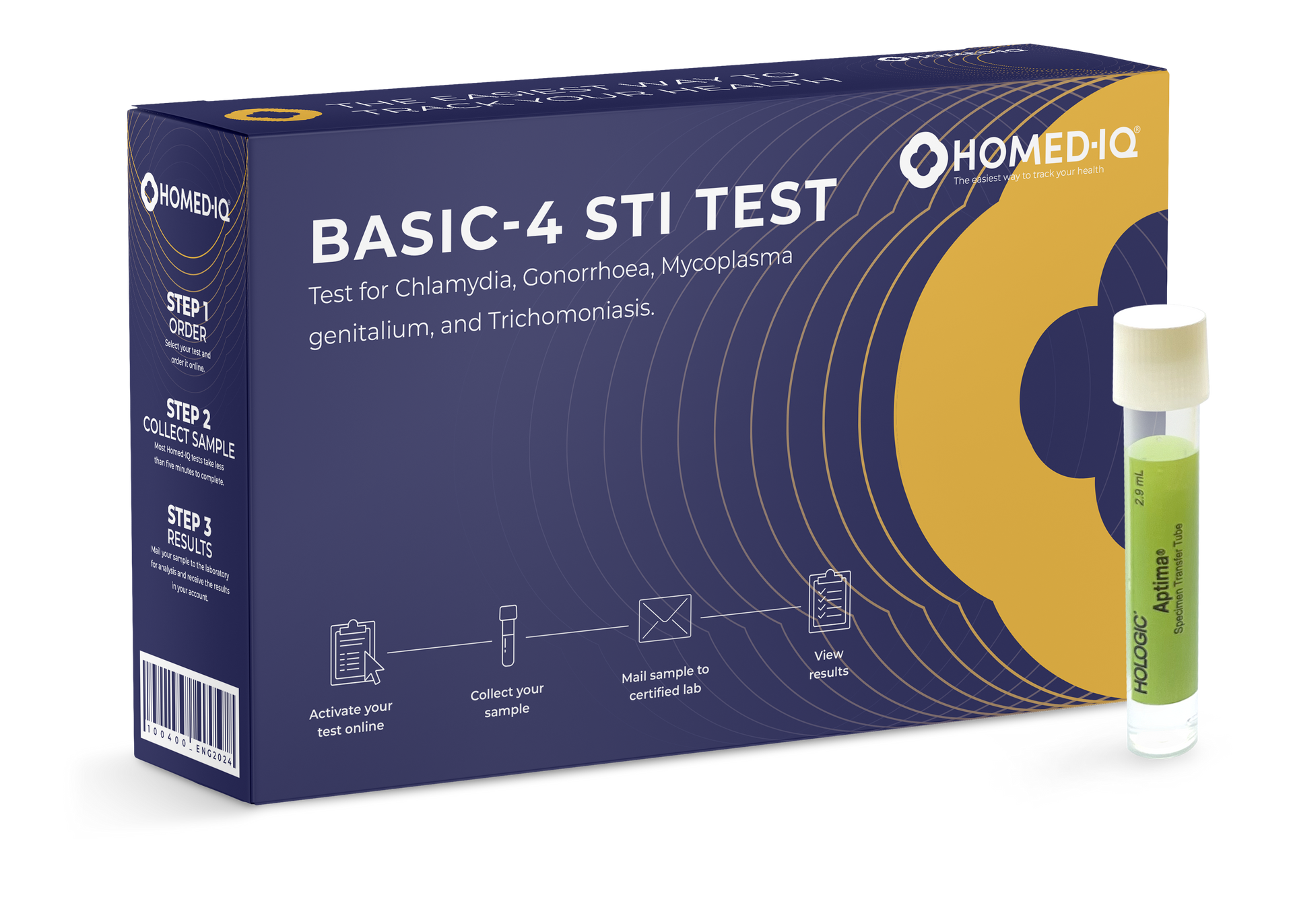
Learn more about your sexual health with Homed-IQ’s Basic-4 STI test. Check anonymously, reliably and...
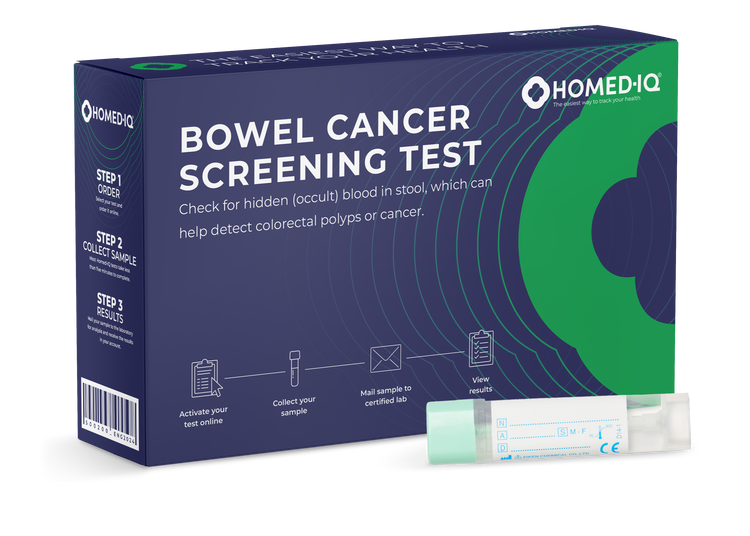
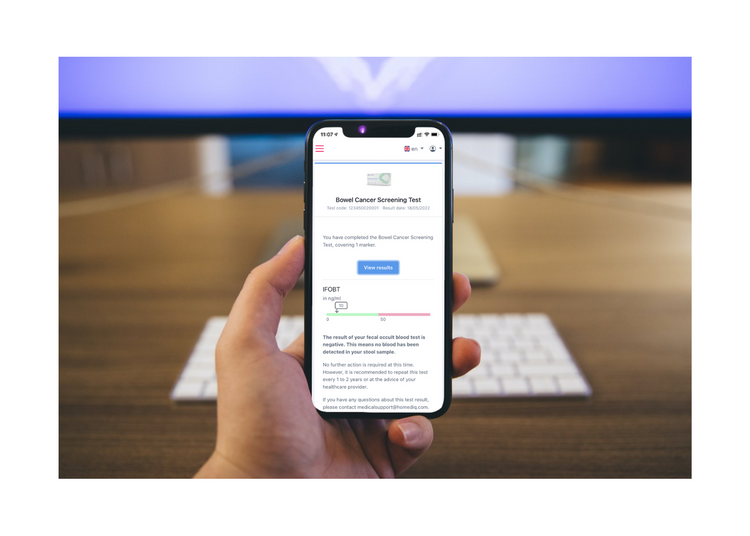
Bowel cancer is highly treatable when caught in early stages. However, symptoms may not be...
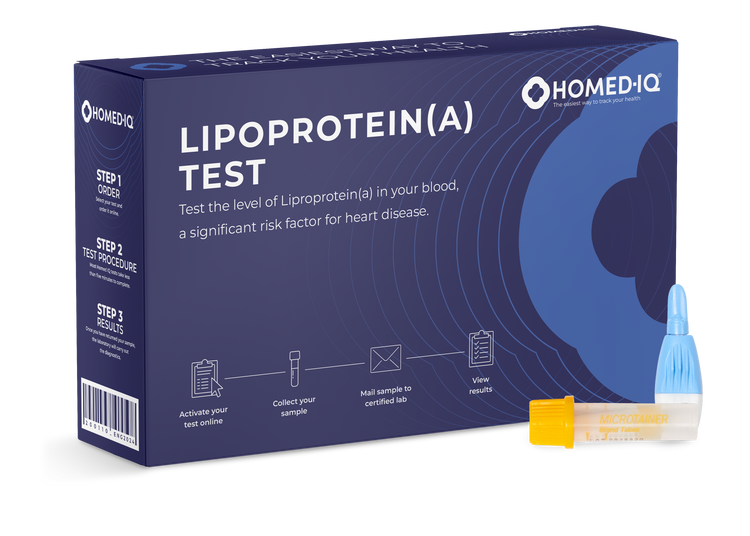
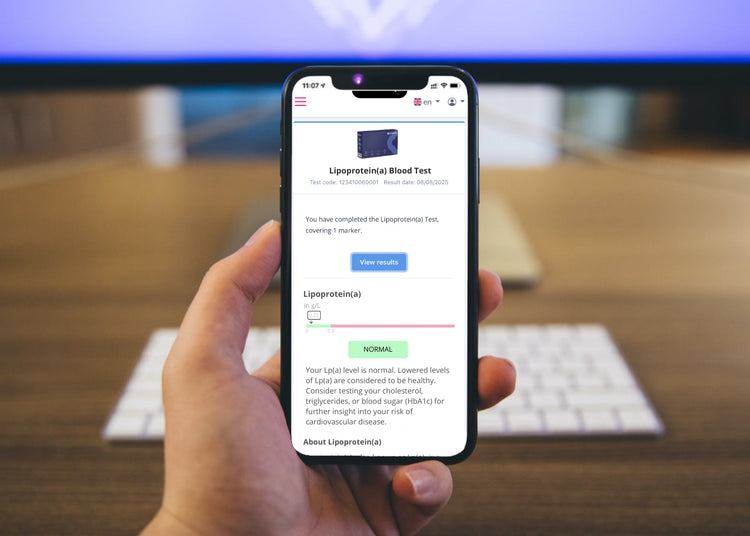
Approximately 1 in 4 people worldwide have elevated levels of Lipoprotein(a), or Lp(a)—a lesser-known but...