About the author
Anna Röll

For many people, alcohol is a normal part of everyday life—whether during social gatherings, after work, or on special occasions. But have you ever considered how regular alcohol consumption might influence your body’s aging process? Scientific studies show that alcohol does not only have short-term effects but can also influence long-term biological aging processes. This involves not just visible changes such as skin aging, but also less obvious processes inside the body, including cell renewal and the function of vital organs.
In this article, you will learn how alcohol consumption affects biological aging, what health consequences may occur, and how you can take a more conscious approach to monitoring your health.
Alcohol affects nearly every organ system in the body, including the brain, liver, cardiovascular system, immune system, and skin. With regular consumption, alcohol can increase biological age, which refers to the functional condition of cells and organs. Biological age can differ significantly from chronological age, which is determined solely by your date of birth and the number of years you have lived.
Scientific evidence shows that alcohol can:
increase oxidative stress,
promote chronic low-grade inflammation,
impair cellular repair mechanisms, and
disrupt hormonal regulation.
Together, these factors can cause the body to age more rapidly and increase the risk of typical age-related diseases. These effects are closely interconnected and largely arise from a small number of underlying biological mechanisms at the cellular level (GBD 2016 Alcohol Collaborators, 2018; WHO, 2023).
Alcohol does not only affect the brain or mood in the short term—it also alters key processes in the body that are closely linked to aging. The aging process begins at the cellular level. Three of the most important mechanisms are outlined below.
When alcohol is broken down in the body, so-called free radicals are produced. These are highly reactive oxygen molecules that can damage cells, including DNA, proteins, and cell membranes. Prolonged exposure to free radicals leads to oxidative stress, which is considered one of the main drivers of cellular aging (Liguori et al., 2018).
Regular alcohol consumption can promote so-called “silent” or low-grade inflammation. These subtle immune responses often cause no immediate symptoms but can gradually damage tissue and increase the risk of age-related conditions such as diabetes or cardiovascular disease (Franceschi et al., 2018).
Telomeres are protective caps at the ends of chromosomes, similar to the plastic tips on shoelaces. They shorten with each cell division. The shorter the telomeres, the older the cell. Studies show that people with chronic alcohol consumption tend to have shorter telomeres, indicating accelerated biological aging (Pavanello et al., 2011).
In this article, regular alcohol consumption does not refer to the occasional drink at special events. Instead, it describes repeated consumption, such as drinking alcohol several times per week or daily—even when the amounts consumed appear small at first glance.
Alcohol consumption is considered potentially critical when it becomes habitual or when early physical changes begin to appear. The extent of these effects varies from person to person and depends on factors such as age, sex, genetic predisposition, metabolism, overall health, and the frequency and duration of alcohol consumption.
Regular alcohol consumption can lead to both visible and initially unnoticed health changes. Many of these effects develop gradually and remain undetected for a long time. While some changes may appear early, others develop only over extended periods.
| Area | Possible effects |
|---|---|
| Skin | Dryness, premature wrinkle formation, redness, couperose (dilated blood vessels) |
| Liver | Fatty liver, liver inflammation, liver cirrhosis |
| Brain | Memory and concentration problems, increased risk of dementia |
| Cardiovascular system | High blood pressure, cardiac arrhythmias |
| Hormonal balance | Disruptions of sex hormones, testosterone deficiency |
| Immune system | Weakened immune defense, increased susceptibility to infections |
In addition, sleep disturbances, depressive moods, and slower recovery may occur (Seitz et al., 2018; Cleveland Clinic, 2024).
Earlier observational studies suggested that moderate alcohol consumption—particularly red wine—might be associated with a reduced risk of cardiovascular disease. These effects were often attributed to antioxidant compounds such as resveratrol.
More recent scientific assessments, however, show that these benefits cannot be clearly attributed to alcohol itself, but are often explained by accompanying lifestyle factors. Moreover, even low levels of alcohol consumption increase the risk of certain cancers.
The World Health Organization (WHO) therefore concludes that there is no level of alcohol consumption that can be considered safe for health (WHO, 2023; Bagnardi et al., 2015).
Alcohol-related changes often develop gradually and are not immediately noticeable in everyday life. Early signs are often nonspecific and therefore easily overlooked.
Possible warning signs include:
persistent fatigue
sleep disturbances
concentration difficulties
skin changes
frequent infections
digestive problems
For a more objective assessment, medical blood tests can be useful. They help detect strain on the liver and metabolism at an early stage—often before noticeable symptoms occur (Harris et al., 2021; Fakhari et al., 2023).
Important blood markers associated with alcohol consumption include:
GGT (Gamma-GT): a sensitive indicator of increased alcohol exposure
MCV: may be elevated with long-term, regular alcohol consumption
CDT: relatively specific marker of sustained high alcohol intake
CRP: indicates inflammatory processes in the body
If you would like to learn more about what individual blood values mean and how they are interpreted, you can find additional information in our in-depth articles on the respective biomarkers.
The aging process is influenced by many factors—some of which can be actively managed. Even small, consistent lifestyle changes can support cellular health and help counteract age-related changes.
Helpful measures include:
reducing or avoiding alcohol to relieve stress on the liver, metabolism, and cells
getting sufficient sleep and managing stress, as regeneration and repair processes mainly occur during rest
engaging in regular physical activity, which reduces inflammation and supports metabolism
maintaining a balanced, nutrient-rich diet to supply essential vitamins and minerals
avoiding smoking, as it further accelerates the aging process
attending regular health check-ups to detect changes early
These measures can help positively influence biological aging processes and support long-term health (Cleveland Clinic, 2022; Mayo Clinic, 2024).
Regular health monitoring can help identify potential issues at an early stage. Blood tests provide objective insights into how well certain organs and metabolic processes are functioning.
They can provide information about:
liver function,
inflammatory processes in the body,
nutritional status.
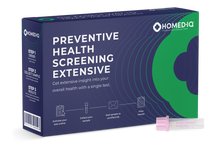
Options such as the Liver function test and the Preventive health check from Homed-IQ allow for convenient and discreet health monitoring from home and offer a practical way to detect relevant changes early and make informed decisions about your health.
Note:
Blood tests do not replace medical diagnosis or professional advice, but they can provide a valuable basis for informed health decisions and discussions with healthcare professionals.
Regular alcohol consumption can accelerate biological aging processes—often gradually and long before clear symptoms appear. A mindful approach to alcohol, combined with a healthy lifestyle and regular self-monitoring, can help positively influence these effects. Keeping an eye on your health early on creates an important foundation for healthy aging.
At-home testing with laboratory accuracy
Our medical laboratories operate according to strict European quality standards. All tests are analysed by ISO-certified partner labs, giving you reliable and professional results. With the comfort of your home.