About the author
Lauren Dobischok

Hypothyroidism – also known as an underactive thyroid – is a common hormonal disorder in which the thyroid gland does not produce enough hormones. These hormones help regulate metabolism, digestion, heart function, and both physical and mental well-being. A deficiency can lead to a wide range of symptoms, from fatigue and weight gain to low mood and depression. In this article, you will learn what hypothyroidism is, what causes and symptoms it may have, and how it is diagnosed and treated.
Hypothyroidism – also known as an underactive thyroid – occurs when the thyroid gland consistently produces too little hormone. This can happen if the thyroid itself is damaged or if regulation by the pituitary gland (hypophysis) is impaired. The resulting hormone deficiency affects many bodily functions and can cause symptoms such as fatigue, weight gain, and difficulty concentrating.
The thyroid is a small organ located at the front of the neck. It produces the hormones triiodothyronine (T3) and thyroxine (T4), which control vital processes such as metabolism, body temperature, digestion, and the growth of hair and nails. The production of these hormones is regulated by TSH (thyroid-stimulating hormone), which is produced by the pituitary gland. Through a feedback loop, TSH ensures that the levels of T3 and T4 remain balanced in the body.
The thyroid influences the function of multiple body systems, including the metabolism, digestive system, the heart, the brain, and the bones. This means that hypothyroidism can cause a range of symptoms in different parts of the body. Symptoms of hypothyroidism include:
Source: NHS, 2023
According to the NHS, hypothyroidism can be caused by various health conditions, such as:
Hypothyroidism is usually treated by hormone replacement therapy, or taking medication that replaces the hormone your thyroid does not make enough of. The medication that is most commonly used is called levothyroxine. With daily medication use, people with hypothyroidism can live normal and healthy lives. While hypothyroidism is a lifelong condition, it can be managed with medication and regular follow-up appointments with your doctor.
Normal thyroid values depend on a number of factors, such as gender and age. As you age, your TSH levels will change. For example, babies have a much higher TSH value in their first week of life than someone aged 30. If you’d like to learn more about the normal range for T3, T4, and TSH, read our blog.
The thyroid controls metabolism and energy use via T3 and T4 hormones. When the thyroid is underactive (hypothyroidism), symptoms like fatigue or weight gain can occur. Learn about causes, treatment, and how to test your hormone levels at home.
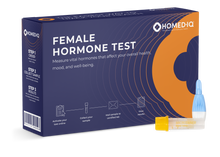
With Homed-IQ’s Thyroid Test you can easily measure your T3, T4 and TSH levels from home. This test only requires a few drops of blood from a finger prick.
At-home testing with laboratory accuracy
Our medical laboratories operate according to strict European quality standards. All tests are analysed by ISO-certified partner labs, giving you reliable and professional results. With the comfort of your home.